
Individual Therapy
One-on-one support for anxiety, depression, trauma and life transitions.
- A confidential space that is yours alone
- A plan built around your goals, not a script
- Practical tools you can use between sessions
$150/ 50 minutes
Registered Psychotherapist · CRPO #14315
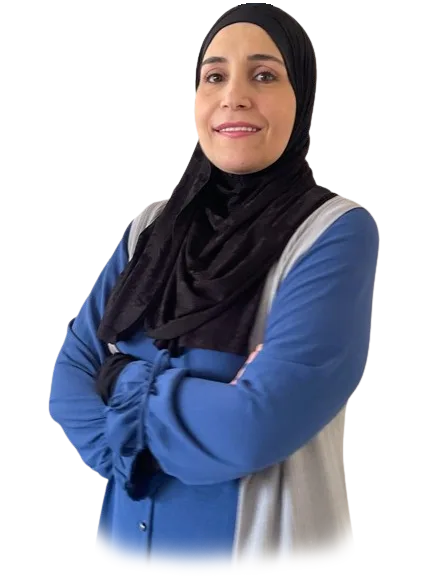
I'm Monira Dali, a Registered Psychotherapist working with individuals, couples and families navigating depression, anxiety, stress, trauma, relationships and the transitions that knock life sideways. Sessions are by secure video or phone, from wherever you feel safest.
Where people usually start
Most people who reach out cannot name a diagnosis. They can name a feeling. Find yours below.
“I am anxious all the time and I cannot switch it off.”
The worry runs in the background even when nothing is wrong. We find where it comes from and give you something that works better than white-knuckling it.
Individual Therapy“We keep having the exact same fight.”
Different topic, same ending. We slow the cycle down far enough to see what is really being asked for underneath it.
Couples Therapy“Something happened, and I never really dealt with it.”
You do not have to relive it to heal from it. We move at a pace your nervous system agrees to.
Individual Therapy“I am functioning, but I feel nothing.”
Getting through the day is not the same as living. We look at what went quiet and how to bring it back.
Individual Therapy“My child is struggling and I do not know how to help.”
You are not failing them by needing support. We work with the whole family so nobody is carrying it alone.
Family Therapy“I have never done this before and I am not sure it is for me.”
That is exactly what the free 20-minute consult is for. No pressure, no commitment, no clinical questions.
Services
Every session is 50 minutes, held by secure video or phone, anywhere in Ontario.
One-on-one support for anxiety, depression, trauma and life transitions.
$150/ 50 minutes
For partners stuck in the same argument, or drifting quietly apart.
$200/ 50 minutes

For families navigating conflict, change or a child who is struggling.
$200/ 50 minutes
Covered by most Ontario extended health plans. You pay at the session and I issue a receipt with my CRPO number for reimbursement. I am also an approved provider for motor vehicle accident (MVA) claims, VQRP+ and the Interim Federal Health Program (IFHP), where the program is billed instead of you. See fees & insurance details
How it works
Not knowing what happens next is the most common reason people put off booking. So here is exactly what happens next.
Pick a time that works. We talk about what brought you here and whether I am the right fit. No cost, no obligation, no intake paperwork.
A 50-minute video or phone session from wherever you feel comfortable. We go at your pace and set goals that are actually yours.
Most people start weekly and move to biweekly as things settle. You get a receipt after every session for your insurance claim.
Takes about a minute. You will not be asked anything clinical.
About
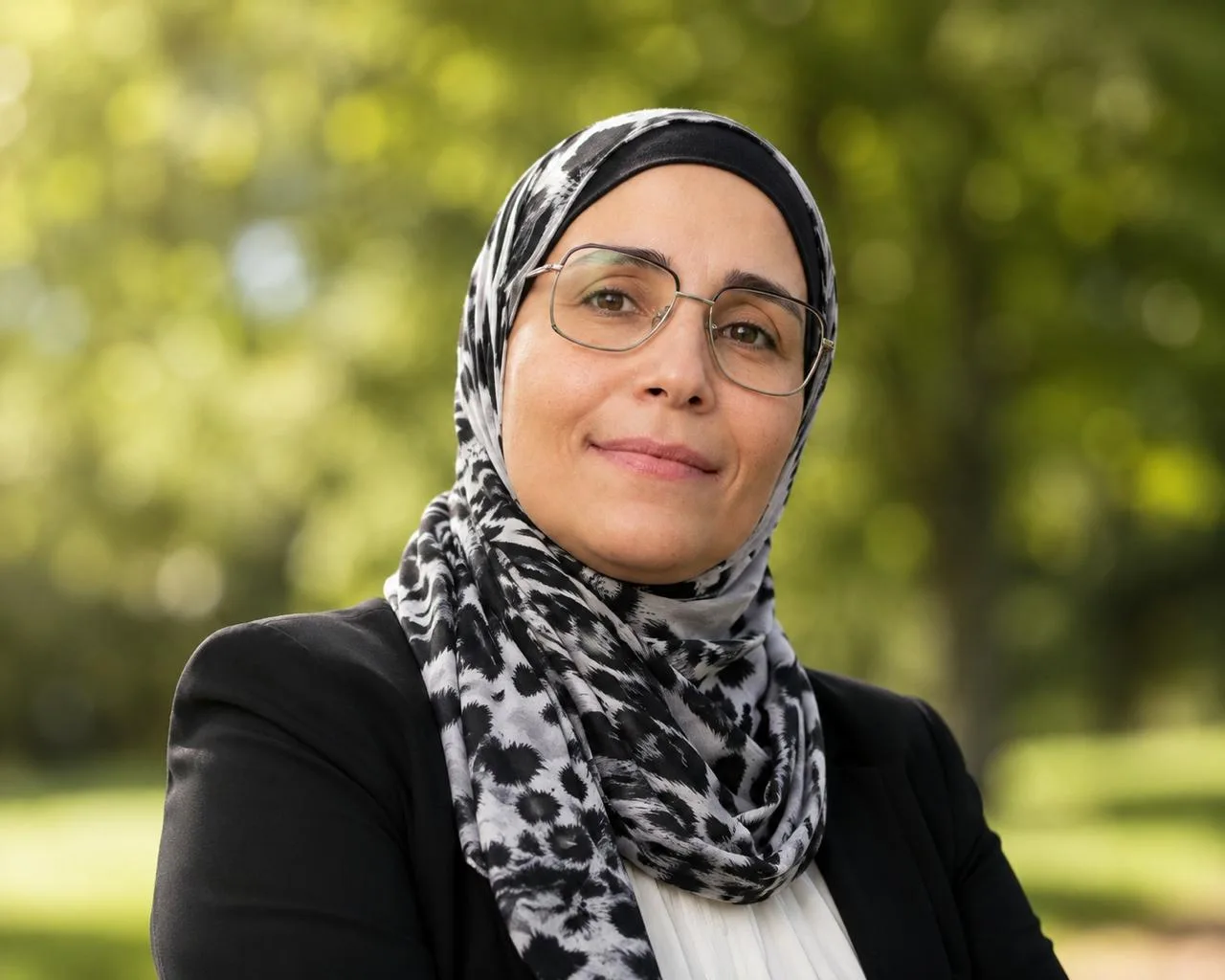
I became a psychotherapist for a few ordinary reasons and one specific one. The ordinary ones: I've always been curious about why people do what they do, I'm good at sitting with someone in the middle of something hard, and some of my own life pointed this way. The specific one is that a lot of people never get to do this work in their first language.
That took more than ten years of studying psychology and related fields, and years of practice since, with children from about ten, with teenagers, with adults, with people well into later life, across a lot of different backgrounds and a lot of different kinds of hard. What I've learned is that people need somewhere it is safe to be honest.
My practice is client-centred, which is a clinical way of saying: you set the direction. I won't hand you a template for what a good life looks like. Culture, faith, family and language shape how you experience all of this, and I treat them as part of the work rather than something to get past.
Some sessions we'll build practical tools. Some sessions you'll just need to be heard. Both are the work.
Sessions available in English and Arabic. The words for this are easier to find in your first language.
My approach
No single approach fits every person. I draw on whichever of these serves what you are actually working on, and I will always tell you why we are doing something.
Catch the thought before it becomes the whole day.
CBT focuses on how thoughts shape feelings and behaviour, identifying the beliefs underneath and changing the patterns that follow from them.
Skills for when the feeling is bigger than the moment.
DBT holds acceptance and change together, teaching concrete skills for riding out distress, regulating emotion and staying steady with people.
Stop wrestling the thought. Start moving toward what matters.
ACT builds psychological flexibility: making room for difficult thoughts and feelings instead of fighting them, and moving toward what you value anyway.
Get underneath the argument to what is actually being asked for.
EFT helps you identify, explore and manage emotions. With couples, it breaks the negative cycle by strengthening the attachment bond underneath it.
You are not the worst thing that happened to you.
Narrative therapy separates you from the problem by examining the stories you carry about yourself, and who gets to author them.
You lead. I will not tell you what your life should look like.
A non-authoritative approach where you set the direction and I listen without judgment, supporting rather than steering your self-discovery.
Notice what you are feeling without being swept away by it.
MBCT blends cognitive therapy with mindfulness to reduce stress, manage pain and create space between a trigger and your response.
Your culture is context, not something to explain away.
Therapy adapted to your values, faith, family structure and background, rather than assuming one cultural default is neutral.
Start from what is already working in you.
Focuses on your internal strengths and resourcefulness rather than cataloguing weaknesses, building resilience and a more workable outlook.
Not just less pain. More of what makes life good.
Explores optimism, meaning, creativity and perseverance to expand the therapeutic process beyond symptom reduction.
Questions
The things people ask before they book. If yours is not here, just ask.
Yes. Research consistently finds video therapy produces outcomes comparable to in-person therapy for anxiety, depression, trauma and relationship difficulties. It also removes the commute, the waiting room and the scheduling gymnastics, which is why most clients find it easier to stay consistent, and consistency is what actually drives progress.
Most Ontario extended health plans cover services provided by a Registered Psychotherapist (RP). Coverage typically ranges from $500 to $2,000 per year. Check your plan for the words "Registered Psychotherapist" specifically, since some older plans only list psychologists or social workers. I issue a receipt after every session that you submit to your provider for reimbursement.
Not for extended health plans. Payment is made at the time of the session and you receive a receipt with my CRPO registration number on it, which you then submit to your insurer. Most providers reimburse within a few business days. Third-party funding works the other way round: for motor vehicle accident claims, VQRP+ and the Interim Federal Health Program, the treatment is approved first and billed to the funder rather than to you.
No referral is needed to see a Registered Psychotherapist in Ontario. You can book a free consult directly. Some insurance plans do ask for a doctor’s note to release funds, so it is worth checking your specific policy.
Individual therapy is CA$150 per 50-minute session. Couples and family therapy are CA$200 per 50-minute session. Psychotherapy services provided by a Registered Psychotherapist are exempt from HST. The initial 20-minute consult is free.
Sessions are 50 minutes. Most people begin weekly, which builds momentum early, then move to every other week as things stabilize. There is no minimum commitment and you decide the pace.
Twenty minutes, no cost, no obligation, and no clinical questions. Just a conversation to see whether working together makes sense.
Contact
The fastest way to start is the free 20-minute consult. If you would rather write first, the form below reaches me directly.